
Daily life and customs
Daily life in the time of Jesus
Fishermen on the lake, the sabbath, a wedding, home and family, bread, fish and coins, prayer, hours and night watches, shepherds, sickness and burial: the everyday life behind the scenes of The Chosen and of films about Jesus, as the Gospels show it.
Illustration (AI)
Fishing on the lake
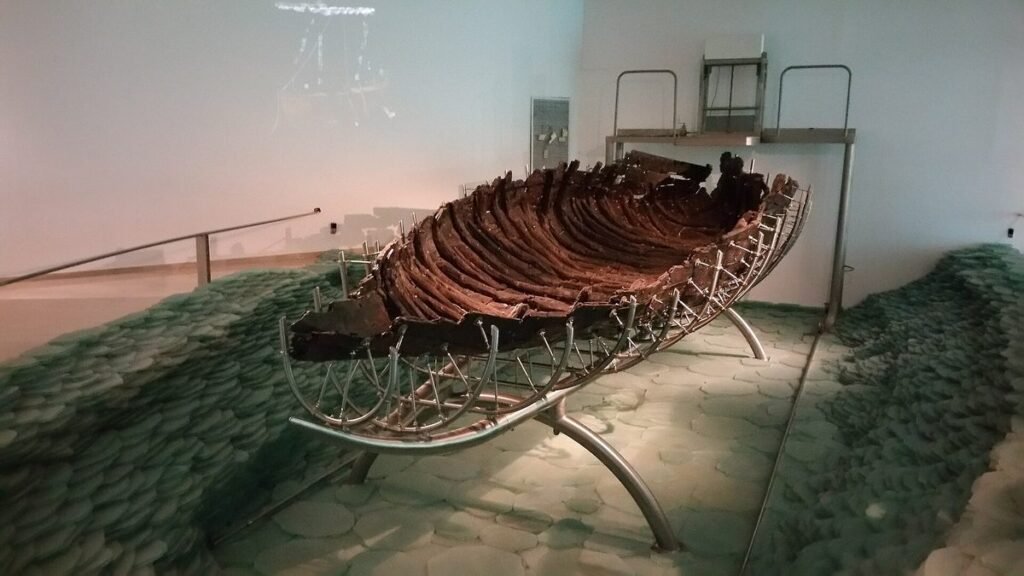
Several of the Twelve were fishermen. Simon worked with his brother Andrew and with the family of Zebedee; Zebedee also had hired men. (Lk 5:10, Mk 1:20)12
The Gospels show the work closely: Simon and Andrew cast their nets, James and John mend the nets in the boat, and the fishing is often done at night. (Mk 1:16–19, Lk 5:5, Jn 21:3)2
In the great catch of fish the nets are about to tear, and the fishermen signal to their partners in the other boat. After Easter the disciples count one hundred fifty-three large fish. (Lk 5:6–7, Jn 21:11)2
Jesus takes up the image: the kingdom of heaven is like a net thrown into the sea, which collects fish of every kind. (Mt 13:47–50)2
Fish was salted and traded. Magdala was known for it; ancient sources call the town Tarichea, after the Greek word for salted fish. Excavations there show pools for processing fish, warehouses and a harbor.3
The sabbath
“The third commandment of the Decalogue recalls the holiness of the sabbath.” The sabbath is the seventh day of the week and is counted from evening to evening. (Ex 20:8–11)45
On the sabbath people gather in the synagogue: the Law and the Prophets are read, and then a teacher may speak. This is how Jesus teaches in Nazareth and in Capernaum. (Lk 4:16–21, Mk 1:21)6
The Gospels tell of many disputes because Jesus is accused of breaking the sabbath. Jesus says that the sabbath was made for man. (Mk 2:23–28, Mk 3:1–6, Lk 13:10–17)7
A wedding
Jesus, his mother and his disciples are invited to the wedding at Cana. When the wine runs short, Jesus has six stone water jars filled, set there for Jewish ceremonial washings. (Jn 2:1–11)2
Jesus tells parables of the wedding feast of the king's son and of the ten virgins who wait for the bridegroom with their lamps. (Mt 22:1–14, Mt 25:1–13)8
At Kafr Kanna, where tradition locates Cana, married couples renew their wedding vows every year.9
The Church sees in the presence of Jesus at the wedding at Cana the confirmation that marriage is good. (Jn 2:1–11)10
Home and family
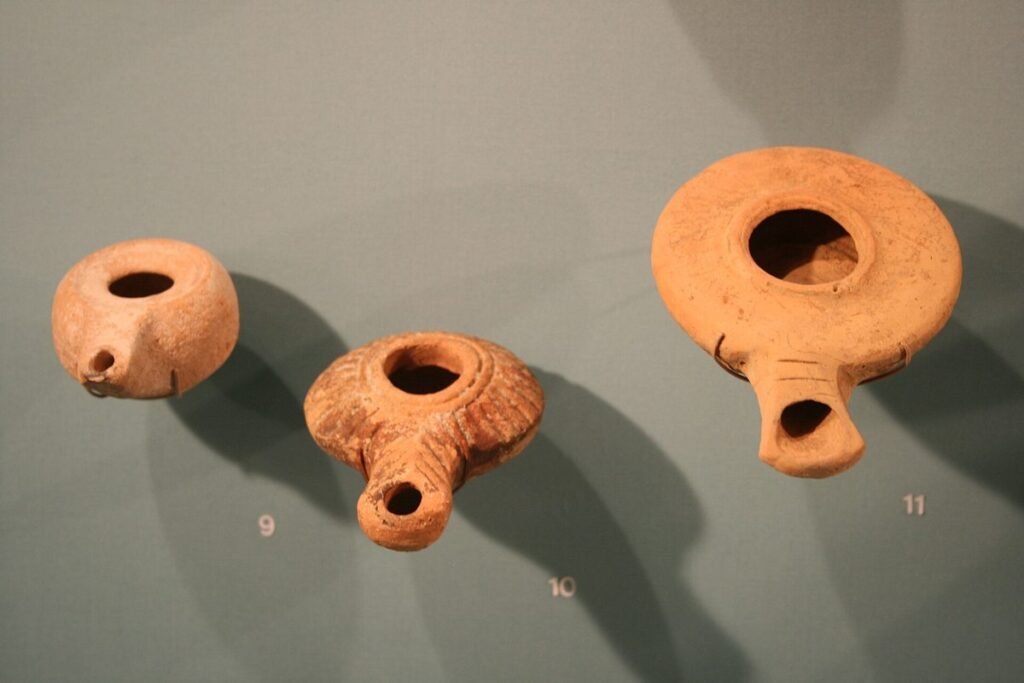
Simon lived with his family in Capernaum; in the house of Simon and Andrew Jesus heals Simon's mother-in-law. (Mk 1:29–31)1
For the paralytic, his friends open up the roof and let him down on his mat. (Mk 2:1–4, Lk 5:19)2
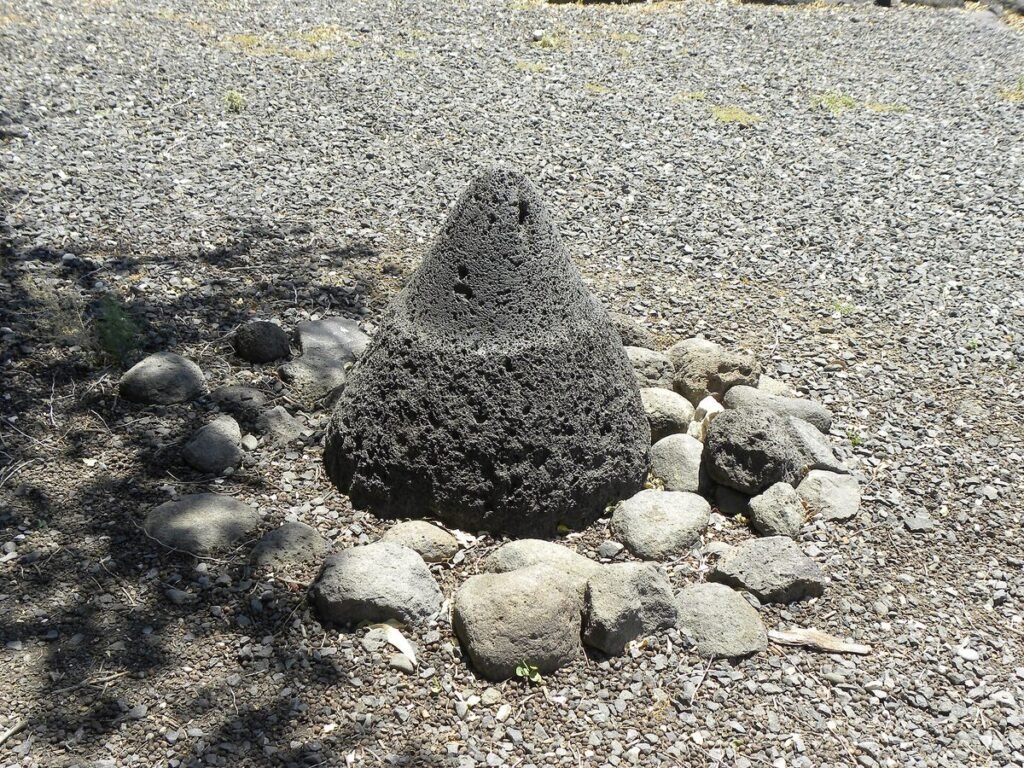
Excavations in Capernaum show houses and workshops of basalt; fishermen, merchants, craftsmen and farmers lived here.11
A lamp is set on a lampstand so that it gives light to all in the house, Jesus says in the Sermon on the Mount. (Mt 5:15)2
Bread and fish
At the feeding of the five thousand there are five barley loaves and two fish. (Jn 6:9, Mk 6:38)2
By the lake the risen Lord prepares a charcoal fire with fish and bread for the disciples. (Jn 21:9–13)2
Jesus celebrates the Last Supper with his apostles in the course of the Passover meal. (Mk 14:12–25)12
In the teaching of the Church, the multiplications of the loaves prefigure the Eucharist: Jesus says the blessing, breaks the loaves and has his disciples distribute them. (Mt 14:13–21, Mt 15:32–39)13
At Tabgha, where tradition honors the multiplication of the loaves, ancient mosaics show loaves and fish.14
Money and work
In the parable of the workers in the vineyard, a denarius is the usual daily wage. (Mt 20:1–16)2
The coin for the census tax bears the image and inscription of Caesar. Jesus answers: repay to Caesar what belongs to Caesar and to God what belongs to God. (Mt 22:15–22)2
A poor widow puts two small coins into the temple treasury; Jesus says that she has given more than all the others. (Mk 12:41–44)2
Tax collectors gathered tolls and taxes for the rulers; many of their countrymen counted them among sinners. (Mt 9:10–11, Lk 19:2)15
| Coin | Where it appears | Bible passages |
|---|---|---|
| Denarius | silver coin; in the parable of the vineyard, the usual daily wage of a worker | Mt 20:2, Mt 22:19 |
| Double drachma | the amount of the temple tax that Peter is asked about | Mt 17:24 |
| Talents | large sums in the parable of the talents; one servant owes ten thousand talents (NABRE: “a huge amount”) | Mt 25:14–30, Mt 18:24 |
| Stater | the coin Peter finds in the mouth of a fish, “worth twice the temple tax”, for Jesus and for himself | Mt 17:27 |
| Pieces of silver | Judas receives thirty pieces of silver for handing Jesus over | Mt 26:15 |
| Small coins | the two small coins of the poor widow in the temple | Mk 12:42 |
Prayer
Jesus learns to pray as his people prayed: with the words and rhythms of prayer in the synagogue at Nazareth and in the temple.16
He often withdraws to pray, early in the morning to a deserted place or all night on a mountain. Luke shows him praying before his baptism, before choosing the Twelve, before Peter's confession and before the Transfiguration. (Mk 1:35, Lk 3:21, Lk 6:12, Lk 9:18, Lk 9:28)17
When the disciples ask him to teach them to pray, he gives them the Our Father: Luke has a short version with five petitions, Matthew a longer one with seven. The liturgy of the Church prays Matthew's version. (Lk 11:1–4, Mt 6:9–13)18
Asked about the first commandment, Jesus quotes the creed “Hear, O Israel” from Deuteronomy: love God with all your heart, and your neighbor as yourself. (Mk 12:28–31, Dt 6:4–5)2
The temple was to be the place where God's people learned to pray, with pilgrimages, feasts and sacrifices. Peter and John go up at the hour of prayer, at three o'clock in the afternoon. (Acts 3:1)19
Hours and night watches
“Are there not twelve hours in a day?” Jesus asks. In the parable of the vineyard the landowner hires workers at dawn and then at nine o'clock, noon, three o'clock and five o'clock, the third, sixth, ninth and eleventh hours. (Jn 11:9, Mt 20:1–7)2
Mark gives the hours of the crucifixion: nine o'clock in the morning, then darkness from noon until three in the afternoon. (Mk 15:25, Mk 15:33–34)2
The night was divided into watches. During the fourth watch Jesus comes to the disciples across the lake; in the parable of the gatekeeper he names evening, midnight, cockcrow and morning. (Mk 6:48, Mk 13:35)2
The sabbath begins in the evening. That is why Jesus is buried on the day of preparation, the day before the sabbath. (Mk 15:42, Lk 23:54)5
Shepherds and flocks
At night shepherds near Bethlehem are keeping watch over their flock when the angel announces the birth of the Savior. (Lk 2:8–11)20
In the parable the shepherd leaves the ninety-nine sheep and goes after the lost one until he finds it. (Lk 15:4–7)2
When Jesus sees the vast crowd, his heart is moved with pity for them, for they are like sheep without a shepherd. (Mk 6:34)2
Jesus calls himself the good shepherd, who knows his sheep and lays down his life for them. The Catechism takes up the image: the Church is the sheepfold, whose one and indispensable door is Christ. (Jn 10:1–15)21
Sickness and healing
A leper begs Jesus to make him clean if he wishes. Jesus touches him and sends him to the priest to offer what Moses prescribed. (Mk 1:40–44, Lv 14:2–32)2
Ten lepers stand at a distance and cry out for pity; only one, a Samaritan, returns to give thanks. (Lk 17:11–19)2
Jesus often asks the sick to believe. He heals by laying on hands, with spittle or with clay, and the sick try to touch him. (Mk 5:34, Mk 7:32–36, Jn 9:6–7)22
His healings are a sign that God has visited his people. Jesus not only heals; he also forgives sins. (Lk 7:16, Mk 2:5–12)23
In Jerusalem, at the pool of Bethesda, Jesus heals a man who has been ill for thirty-eight years. (Jn 5:1–9)2
Death and burial
Lazarus has been in the tomb for four days when Jesus comes to Bethany; the tomb is a cave with a stone across it. (Jn 11:17, Jn 11:38)2
Joseph of Arimathea lays the body of Jesus in a new tomb hewn in the rock and rolls a stone across the entrance. (Mt 27:59–60, Mk 15:46)2
Nicodemus brings about one hundred pounds of myrrh and aloes; they bind the body with burial cloths, according to the Jewish burial custom. (Jn 19:39–40)24
After the sabbath the women buy spices so that they might go and anoint the body. (Mk 16:1)2
Excavations at the Church of the Holy Sepulchre show an old quarry outside the city wall, with family tombs cut into its rock faces. Near Nain, too, there are tombs cut into the rock.2526
Sources
- Benedict XVI, General Audience, May 17, 2006: Peter, the fisherman
- New American Bible, Revised Edition (NABRE) © 2010, 1991, 1986, 1970 Confraternity of Christian Doctrine, Washington, D.C.: book abbreviations, verse numbers and names follow this edition; links go to the text on the website of the U.S. Conference of Catholic Bishops
- Custodia Terrae Sanctae: Magdala
- Catechism of the Catholic Church, no. 2168
- Catholic Encyclopedia: Sabbath
- Catholic Encyclopedia: Synagogue (W. Drum, 1912)
- Catechism of the Catholic Church, no. 2173
- Catholic Encyclopedia: Parables
- Custodia Terrae Sanctae: Cana in Galilee, January 20, 2013
- Catechism of the Catholic Church, no. 1613
- Custodia Terrae Sanctae (Custody of the Holy Land): Capernaum, place of the Eucharistic promise
- Catechism of the Catholic Church, no. 1340
- Catechism of the Catholic Church, no. 1335
- Custodia Terrae Sanctae: Tabgha
- Catholic Encyclopedia: Publican (J. F. Driscoll, 1911)
- Catechism of the Catholic Church, no. 2599
- Catechism of the Catholic Church, no. 2600
- Catechism of the Catholic Church, no. 2759
- Catechism of the Catholic Church, no. 2581
- Catechism of the Catholic Church, no. 437
- Catechism of the Catholic Church, no. 754
- Catechism of the Catholic Church, no. 1504
- Catechism of the Catholic Church, no. 1503
- Catholic Encyclopedia: Nicodemus (J. F. Driscoll, 1911)
- Custodia Terrae Sanctae: Basilica of the Holy Sepulchre
- Custodia Terrae Sanctae: Nain
Checked on October 21, 2026. Bible references follow the New American Bible, Revised Edition (NABRE), the Catholic Bible translation of the U.S. bishops. We give the references and sum up the passages in our own words; each reference links to the full text on the bishops' website. Found a mistake? Write to us at hello@biblebehindthescreen.com.
To print
Map: places of the Gospels
Galilee and Judea on one page, with close-ups of the Sea of Galilee and the area around Jerusalem and a list of all the places with their Bible references. For reading along while you watch, at home or in your parish group.
- A map with 22 places of the Gospels
- Bible references from the New American Bible, Revised Edition
- Once a week, an email with our newest guides and articles
Get the map as a PDF
Enter your email address and we will send you the map as a PDF.
Sign-up opens in a few days. Until then, subscribe to the channel and you will be the first to know when the map is ready.
By signing up you confirm that you are at least 16 years old. You will get an email to confirm your address (double opt-in), and you can unsubscribe at any time. More in our privacy policy.
An independent site about the Bible behind movies and shows · not affiliated with any studio or distributor · Bible references from the NABRE · YouTube @biblebehindthescreen